भगवान शिव की आरती

24

Aarti

ॐ जय शिव ओंकारा, स्वामी जय शिव ओंकारा।

ब्रह्मा, विष्णु, सदाशिव, अर्द्धांगी धारा॥

॥ ॐ जय शिव ओंकारा...॥
एकानन चतुरानन, पंचानन राजे।

हंसासन गरूड़ासन, वृषवाहन साजे॥

॥ ॐ जय शिव ओंकारा...॥

दो भुज चार चतुर्भुज, दस भुज अति सोहे।

त्रिगुण रूप निरखते, त्रिभुवन जन मोहे॥

॥ ॐ जय शिव ओंकारा...॥

अक्षमाला वनमाला, मुण्डमाला धारी।

चंदन मृगमद चंदा, सोहे त्रिपुरारी॥

॥ ॐ जय शिव ओंकारा...॥

श्वेताम्बर पीताम्बर, बाघम्बर अंगे।

सनकादिक गरुणादिक, भूतादिक संगे॥

॥ ॐ जय शिव ओंकारा...॥

कर के मध्य कमंडल, चक्र त्रिशूलधारी।

सुखकारी दुखहारी, जगपालन कारी॥

॥ ॐ जय शिव ओंकारा...॥

ब्रह्मा विष्णु सदाशिव, जानत अविवेका।

प्रणवाक्षर में शोभित, ये तीनों एका॥

॥ ॐ जय शिव ओंकारा...॥

त्रिगुणस्वामी जी की आरति, जो कोइ नर गावे।

कहत शिवानंद स्वामी, सुख संपति पावे॥

॥ ॐ जय शिव ओंकारा...॥

लक्ष्मी व सावित्री, पार्वती संगा।

पार्वती अर्द्धांगी, शिवलहरी गंगा॥

॥ ॐ जय शिव ओंकारा...॥

पर्वत सोहैं पार्वती, शंकर कैलासा।

भांग धतूर का भोजन, भस्मी में वासा॥

॥ ॐ जय शिव ओंकारा...॥

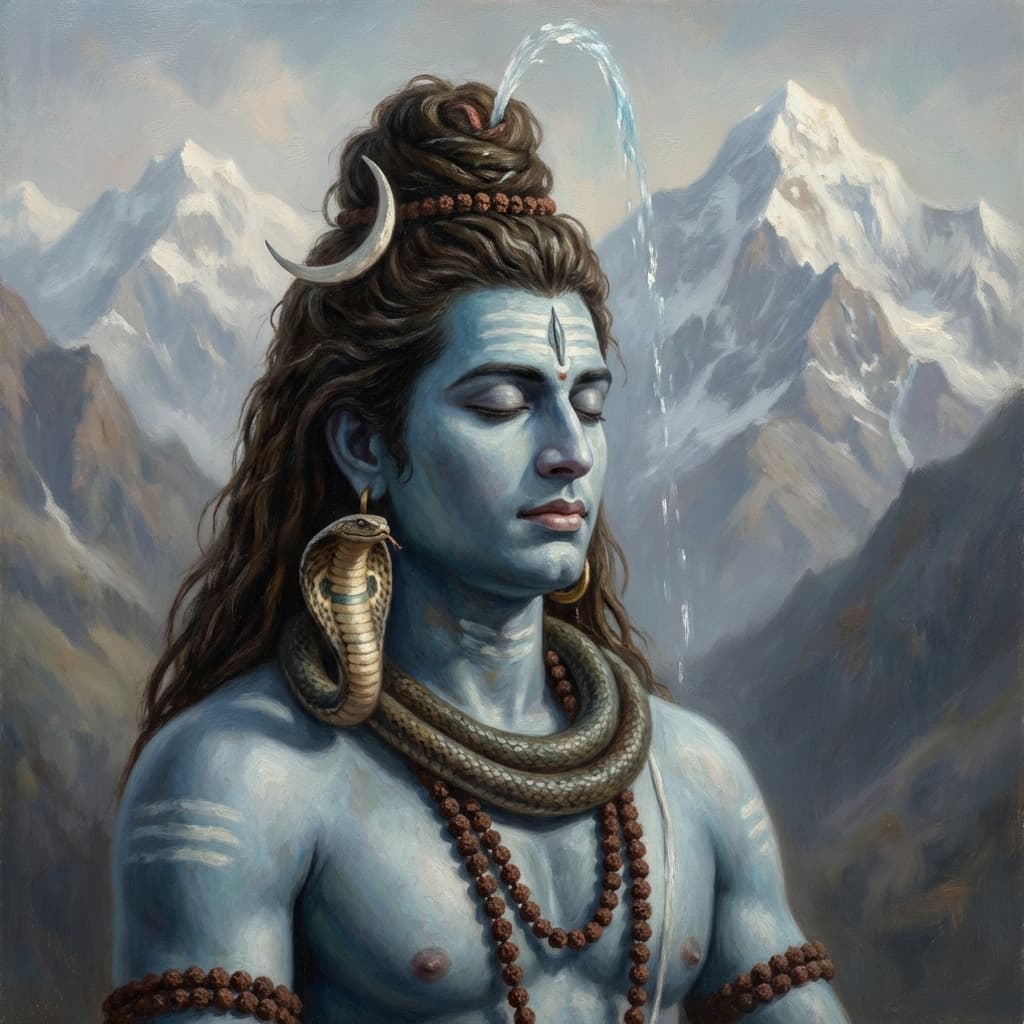
जटा में गंग बहत है, गल मुण्डन माला।

शेष नाग लिपटावत, ओढ़त मृगछाला॥

॥ ॐ जय शिव ओंकारा...॥

काशी में विराजे विश्वनाथ, नंदी ब्रह्मचारी।

नित उठ दर्शन पावत, महिमा अति भारी॥

॥ ॐ जय शिव ओंकारा...॥

ॐ जय शिव ओंकारा, स्वामी जय शिव ओंकारा।

ब्रह्मा, विष्णु, सदाशिव, अर्द्धांगी धारा॥

॥ ॐ जय शिव ओंकारा...॥
Aarti

Om Jai Shiv Omkara, Swami Jai Shiv Omkara।

Brahma Vishnu Sadashiv, Ardhaangi Dhara॥

॥ Om Jai Shiv Omkara...॥

Ekanan Chaturanan, Panchanan Raaje।

Hansasan Garurasan, Vrishvahan Saaje॥

॥ Om Jai Shiv Omkara...॥

Do Bhuj Chaar Chaturbhuj, Das Bhuj Te Sohe।

Trigun Roop Nirakhte, Tribhuvan Jan Mohe॥

॥ Om Jai Shiv Omkara...॥

Akshamala Vanmala, Mundmala Dhaari।

Chandan Mrigmad Chhavi, Sohe Tripurari॥

॥ Om Jai Shiv Omkara...॥

Shwetambar Pitambar, Baghambar Ange।

Sanakadik Garunadik, Bhootadik Sange॥

॥ Om Jai Shiv Omkara...॥

Kar Ke Madhya Kamandal, Chakra Trishul Dhaari।

Sukhkari Dukhahari, Jagpalankari॥

॥ Om Jai Shiv Omkara...॥

Brahma Vishnu Sadashiv, Janat Aviveka।

Pranavakshar Mein Shobhit, Ye Teeno Eka॥

॥ Om Jai Shiv Omkara...॥

Trigun Swami Ji Ki Aarti, Jo Koi Nar Gaave।

Kahat Shivanand Swami, Sukh Sampati Paave॥

॥ Om Jai Shiv Omkara...॥

Lakshmi Wa Savitri, Parvati Sanga।

Parvati Ardhaangi, Shivalahari Ganga॥

॥ Om Jai Shiv Omkara...॥

Parvat Sohain Parvati, Shankar Kailasa।

Bhaang Dhatoor Ka Bhojan, Bhasmi Mein Vasa॥

॥ Om Jai Shiv Omkara...॥

Jata Mein Ganga Bahat Hai, Gal Mundan Mala।

Shesh Naag Lipatawat, Odhata Mrigchaala॥

॥ Om Jai Shiv Omkara...॥

Kashi Mein Viraje Vishwanath, Nandi Brahmachaari।

Nit Uth Darshan Paawat, Mahima Ati Bhaari॥

॥ Om Jai Shiv Omkara...॥

Om Jai Shiv Omkara, Swami Jai Shiv Omkara।

Brahma Vishnu Sadashiv, Ardhaangi Dhara॥

॥ Om Jai Shiv Omkara...॥

Highlights

Om Jai Shiv Omkara is one of the most popular aartis dedicated to Lord Shiva, describing him as the unified Omkara form of Brahma, Vishnu, and Sadashiv.

This aarti is sung especially on Mondays, during the month of Shravan, and on Mahashivratri, and is a common part of evening aarti in homes and temples.

It is traditionally attributed to Swami Shivanand, who is named in the aarti's own closing lines.

Information

About Shiv Aarti

"Om Jai Shiv Omkara" is one of the most famous and widely sung aartis dedicated to Lord Shiva. It describes Shiva as Omkara, the primordial sound of creation in which Brahma (creation), Vishnu (preservation), and Sadashiv (dissolution) are all united. This aarti is sung in almost every Hindu household and Shiva temple during evening worship, especially on Mondays, which are considered Lord Shiva's day.

What does Shiv Aarti mean?

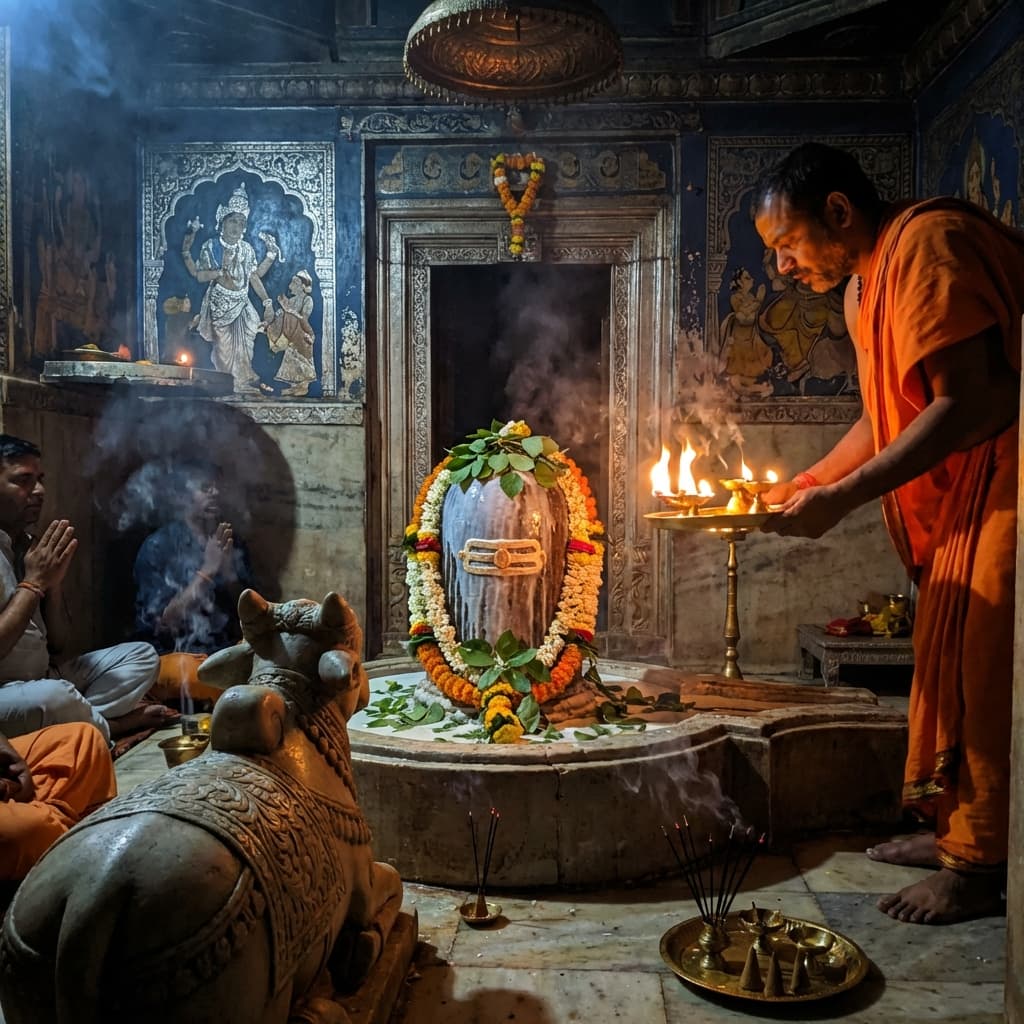
The aarti beautifully describes Lord Shiva's various divine forms — from single-faced to five-faced — his weapons (trident, water-pot, discus), his vehicles (the bull Nandi, along with the swan and Garuda representing the trinity), his consort Parvati, the Ganga flowing through his matted hair, and his abode on Mount Kailasa. It closes by describing his glory as Vishwanath in Kashi, where Nandi is ever present as his devoted gatekeeper.

Benefits of Singing Shiv Aarti

• Regularly singing this aarti is believed to bring peace and steadiness to the mind. • Singing it with devotion is said to bring happiness and prosperity, as stated in the aarti itself. • It is believed to dispel negative thoughts and deepen devotion within the devotee. • Reciting it on Mondays and during the month of Shravan is considered especially auspicious.

Best Time to Perform Shiv Aarti

1. Performing this aarti at dusk, with a lit lamp, is considered most auspicious. 2. Mondays are considered especially suitable for Shiv Aarti. 3. It holds special significance during Shravan month and on Mahashivratri. 4. It is traditionally performed after offering water or milk to the Shivling.

How the Aarti Is Performed

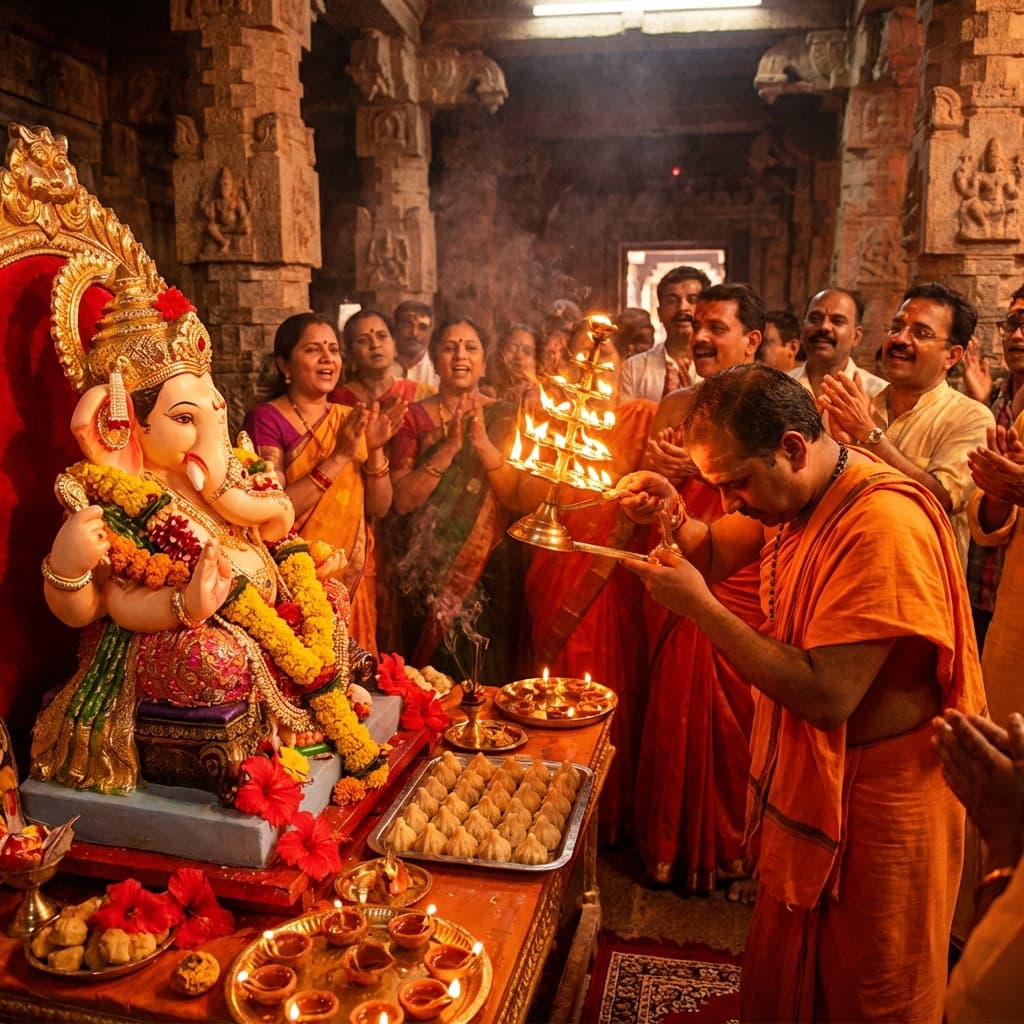
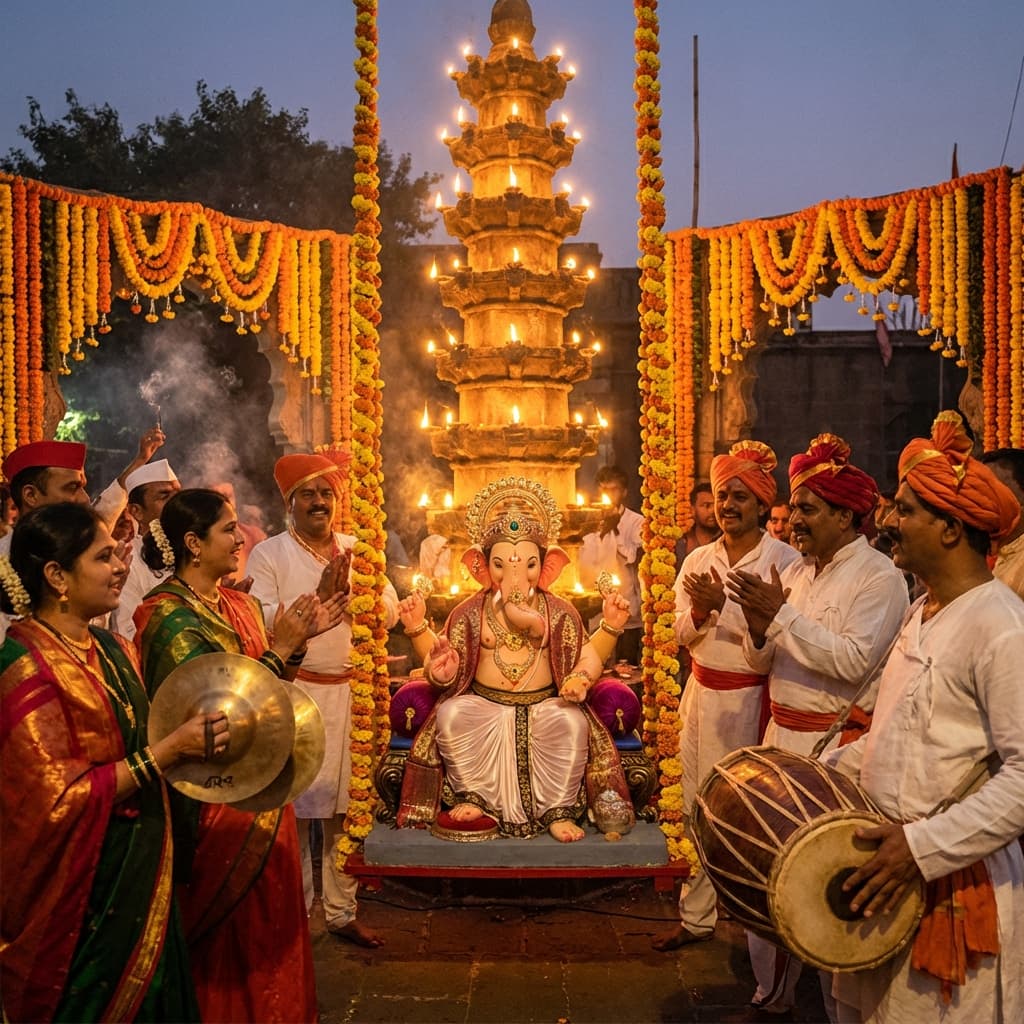
Traditionally, this aarti is sung before an image or Shivling of Lord Shiva, with a lit lamp and a ringing bell, together with family members. At the end of the aarti, devotees pass their hands over the lamp's flame and touch them to their forehead — a gesture believed to receive Shiva's blessings.

Frequently Asked Questions

Who wrote the Om Jai Shiv Omkara aarti?

This aarti is traditionally attributed to Swami Shivanand, whose name appears in the aarti's own line, "Kahat Shivanand Swami, Sukh Sampati Paave."

When should Shiv Aarti be sung?

This aarti can be sung every evening, but singing it on Mondays, during the month of Shravan, and on Mahashivratri is considered especially auspicious.

What does 'Omkara' mean in the aarti?

Omkara is regarded as the primordial sound of creation, believed to contain within it the combined power of Brahma, Vishnu, and Sadashiv (Mahesh) — which is why Shiva is addressed as 'Omkara' in this aarti.

Can Shiv Aarti be sung every day?

Yes, this aarti can be sung daily during evening worship. Singing it regularly is believed to bring peace of mind.

Which deities are mentioned in Shiv Aarti?

The aarti primarily describes Lord Shiva, but also mentions Brahma, Vishnu, Goddess Parvati, Lakshmi, and Savitri, reflecting Shiva's divine assembly.

What is the significance of Nandi in the aarti?

Nandi, the bull, is Lord Shiva's vehicle and stands as the eternal gatekeeper at the Kashi Vishwanath temple. His mention in the aarti reflects his unwavering devotion in Shiva's service.

What are the benefits of singing Shiv Aarti?

Singing this aarti with devotion is believed to bring happiness and prosperity, bring peace to the mind, and deepen the devotee's love for Lord Shiva.

What does the aarti say about Kashi Vishwanath?

The closing lines of the aarti describe the glory of Lord Vishwanath (a form of Shiva) enshrined in Kashi, where Nandi Brahmachari remains in constant devoted attendance.

Does this aarti hold special significance on Mahashivratri?

Yes, during Mahashivratri, devotees often sing this aarti multiple times through the night-long vigil, as it is considered a key way to receive Lord Shiva's grace.