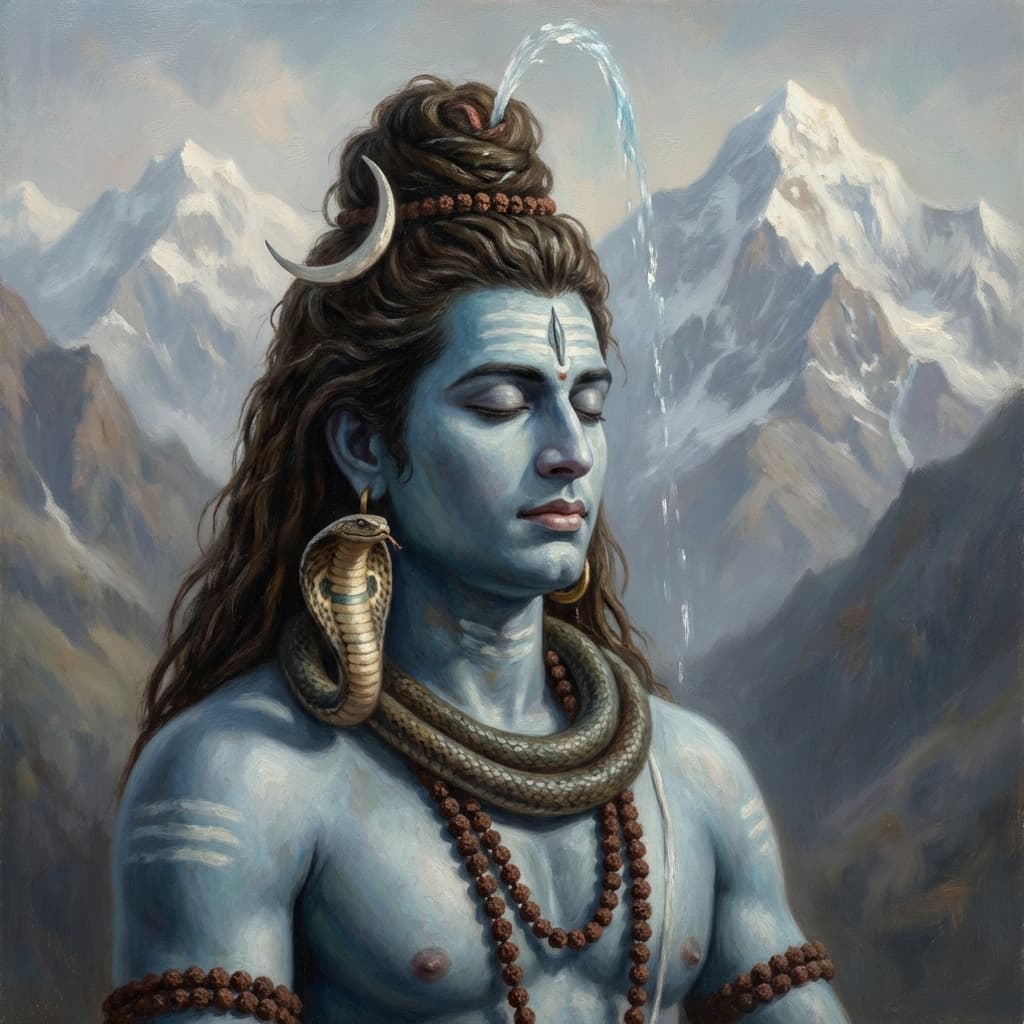
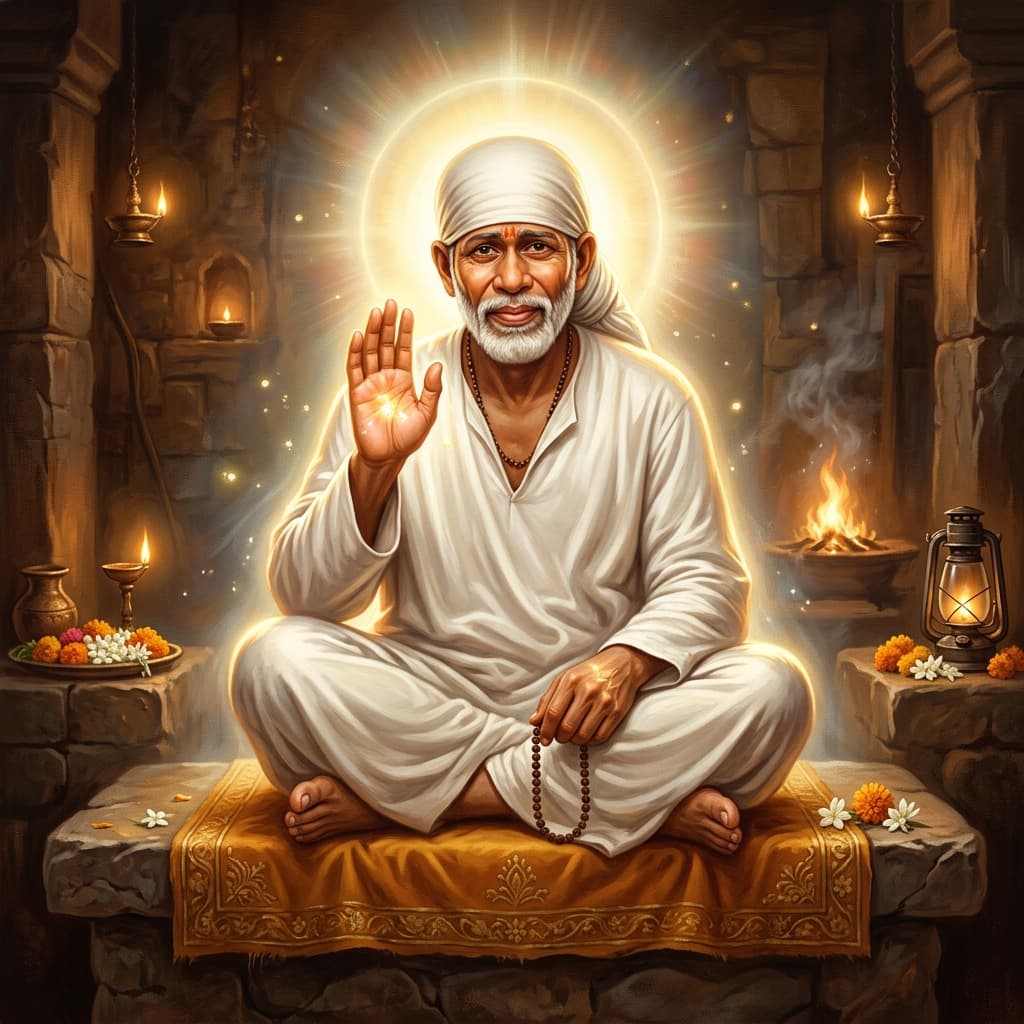
Lord Shiva, worshipped as the destroyer and benevolent deity among the Trinity, is known as Yogeshwar, Mahadev, and Nataraja. Shiva's form embodies simplicity and austerity—matted hair, Ganga, the moon, a serpent around the neck, and ash-adorned body symbolize his detached life. He resides on Mount Kailash and is considered the husband of Mother Parvati and the father of Ganesha and Kartikeya.
Shiva's philosophy is based on 'non-violence, restraint, and devotion.' He is a deity who is easily pleased by devotees, known as Bholenath. Just offering a pot of water and bel leaves pleases him. In mythological stories, during the churning of the ocean, he consumed the Halahal poison to protect the world, which earned him the name Neelkanth.
In his Nataraja form, Shiva is the master of cosmic dance, which symbolizes creation, preservation, and destruction. He is the object of worship for yogis and remains absorbed in samadhi as 'Mahayogi.' In Shaiva tradition, he is the guide to Brahma knowledge, detachment, and liberation.
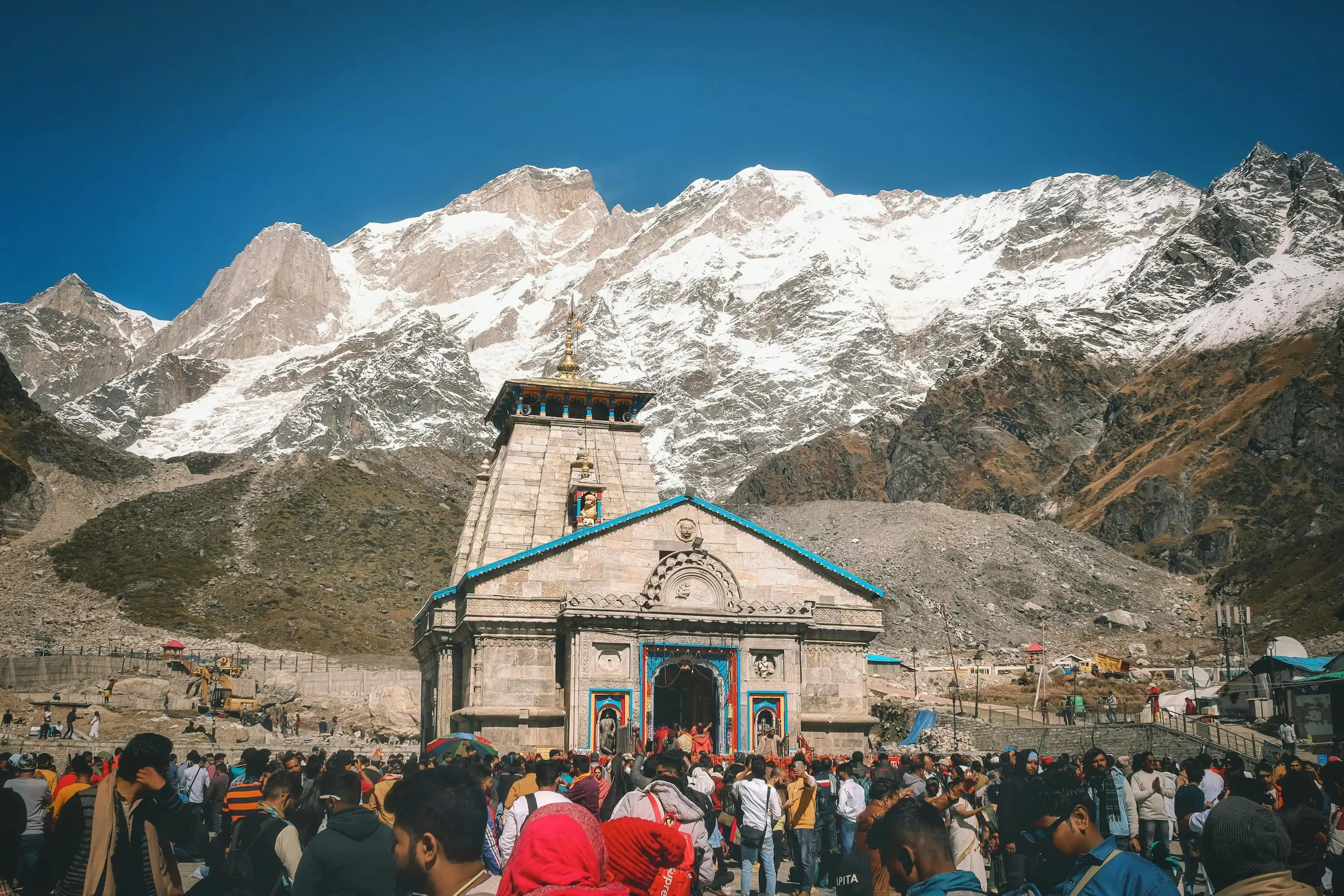
Shivaratri is his main festival, celebrated on the Krishna Chaturdashi of Magh or Phalguna month. On this day, devotees observe fasts and worship the Shivalinga with night vigil. Additionally, the month of Sawan and Kanwar Yatra are special occasions for Shiva devotion. Pilgrimage sites like Kashi Vishwanath, Kedarnath, and Amarnath are Shiva's main abodes.
Shiva's description is found extensively in Vedas, Puranas, and Upanishads. He is not just a destroyer but also compassionate, protector, and bestower of liberation. Devotees remember him as 'Mahadev' and believe that taking refuge in him frees one from the cycle of birth and death.
Consort
Parvati
Parents
Father: Anadi, Mother: Anadi
Abode
Mount Kailash • Cremation Ground • Heart (of devotees)
Shiva PuranaLinga PuranaVedas and UpanishadsMahabharataRamcharitmanas
FAQ (Frequently Asked Questions)
When is Maha Shivaratri celebrated and what is its spiritual significance?
Maha Shivaratri usually falls on the Krishna Chaturdashi of Phalguna or Magh month (Feb/Mar). This day symbolizes the awakening of Shiva-tattva and self-knowledge. Devotees worship Shiva through night vigil, fasting, abhishek of water/milk/substances on Shivalinga, and bhajan-kirtan. Spiritually, Maha Shivaratri is considered an opportunity to increase renunciation of ego, meditation, and inclination towards liberation—in many traditions it is called the day of self-purification.
Why is Shiva called Bholenath—is his behavior truly simple?
'Bholenath' means 'innocent deity'—because he is quickly pleased by devotees' dedication and devotion offered with a true heart. However, simplicity does not mean foolishness; Shiva makes decisions based on profound ideals and philosophy. His simplicity symbolizes devotion-oriented nature—he listens to any true heart's call.
What is the spiritual and symbolic meaning of Shivalinga?
Shivalinga is worshipped as a symbol of infinite consciousness and formless Shiva—it is a sign of formless radiance and essence. In some traditions, the linga is called a symbolic expression of creative power and masculinity; while other perspectives see it as the infinity of Brahma-tattva. Devotees express their devotion and tarpana through abhishek on Shivalinga.
What is the importance of bel leaves in Shiva's worship?
Bilva/bel leaves are considered especially dear to Shiva—its three leaves are considered symbols of the three deities/three gunas or third qualities. Shiva is pleased when water and incense are offered on bel leaves. Tradition also states that bel leaves should be fresh and clean, and their offering indicates purity of mind.
Transformation and Shiva—do any special worship practices related to Shiva bring changes in life?
Shiva devotion brings inner transformation, restraint, and mental strength in life for many devotees. Sadhana—such as japa, meditation, fasting, and bhajan—focuses the mind and reduces unnecessary tendencies. However, the real basis of change is regular sadhana, ethical effort, and self-examination; Shiva worship works as a guiding and inspiring force.
What does Nataraja's Tandava indicate—is it only a symbol of destruction?
Nataraja's Tandava is not just destruction but the dance of all three—creation, preservation, and destruction. It symbolizes the cycle of time, change, and creation. Tandava also conveys the message that the rhythm and change of creation are inevitable—yet the seeker should remain calm and steadfast on their path.
What can be a simple home worship suitable for offering to Shiva?
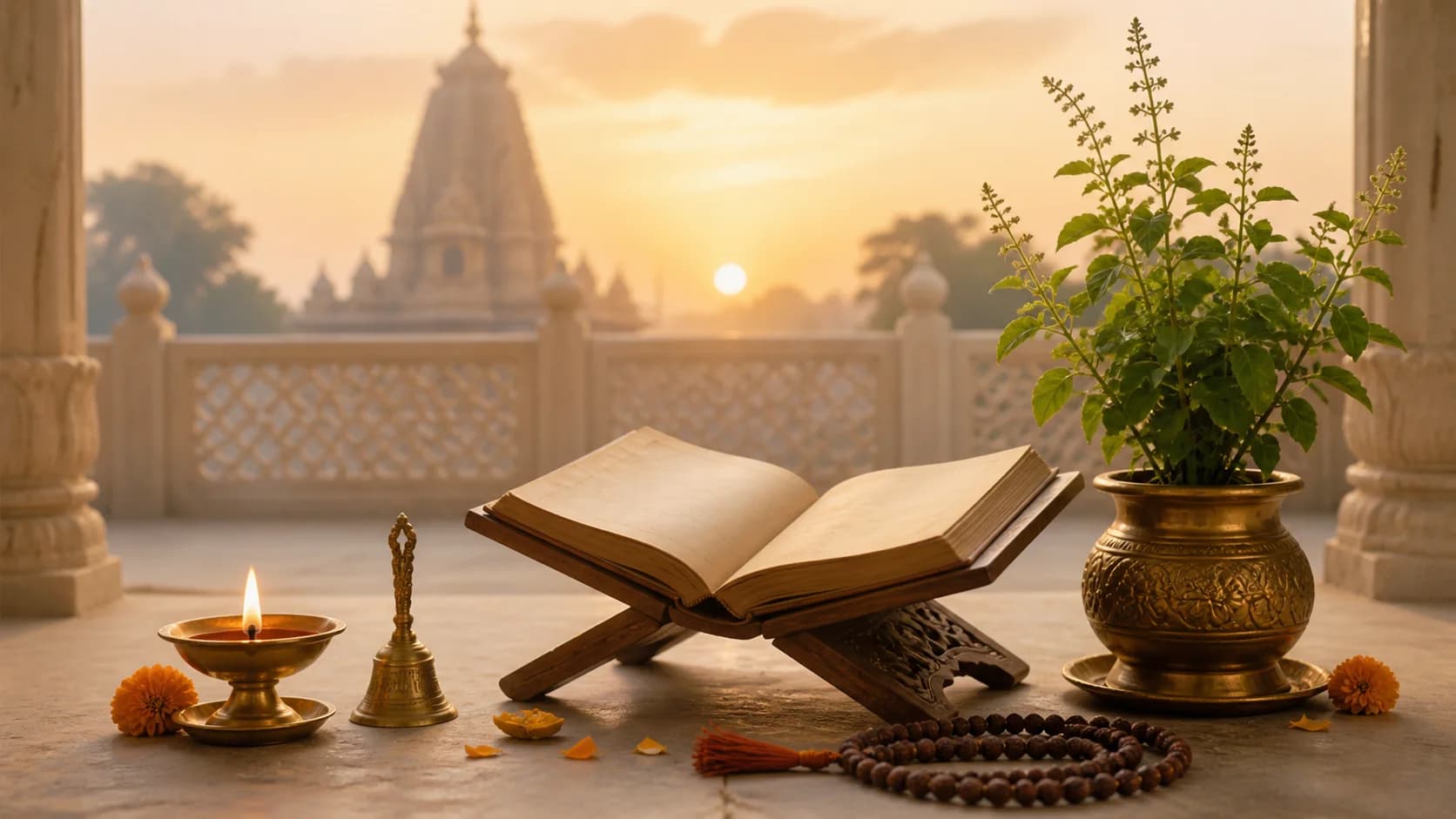
For home worship, place Shivalinga/picture in a clean place, perform abhishek with water, milk, yogurt, and bel leaves, light lamp and incense, and chant 'Om Namah Shivaya.' Recite sankirtan or verses (such as Shiva Panchakshara or Mahamrityunjaya). During worship, the devotee's mind must be pure and dedicated—this is the greatest offering.
Which mantras of Shiva are most commonly used and what is their brief meaning?
Prominent mantras include 'Om Namah Shivaya' (Salutations to Shiva) and 'Mahamrityunjaya Mantra.' 'Om Namah Shivaya' is simple yet powerful—it focuses the mind; 'Mahamrityunjaya' is traditionally chanted for life protection, health, and longevity. The effect of mantras depends on devotion and practice.
What is the importance of cremation grounds and places of austerity in Shiva traditions?
Due to Shiva's association with death, non-attachment, and detachment, cremation grounds and tattva-places have special importance—this is a practical symbol of understanding and remaining detached from the impermanent nature of the world. Ascetic sects and ascetics have also worshipped Shiva in cremation grounds—this is a symbolic expression of inner death (death of ego) and consciousness without rebirth.
Is there a relationship between Shiva devotion and yoga—how is Shiva the object of worship for yogis?
Yes—Shiva is called Yogeshwar and is considered the ideal teacher of yoga. Shiva devotion is connected with meditation, samadhi, and tattva knowledge; the seeker can attain inner peace, discipline, and meditation capacity through Shiva's sadhana. Detachment and self-regulation are primary features of Shiva-yoga.
How many forms of Shiva are considered important and what are some major forms?
Shiva has many forms—some major forms are: Nataraja (dance form), Bhootnath/Rudra (protector of demons), Mahadev (all-powerful), Lingaraj/Linga (formless element), compassionate Bholenath (devotee-beloved). Each form has a different spiritual and cultural context, and devotees worship a form according to their inclination.