विघ्नहर्ता गणेश जी की आरती

24

Aarti

जय गणेश, जय गणेश, जय गणेश देवा।

माता जाकी पार्वती, पिता महादेवा॥

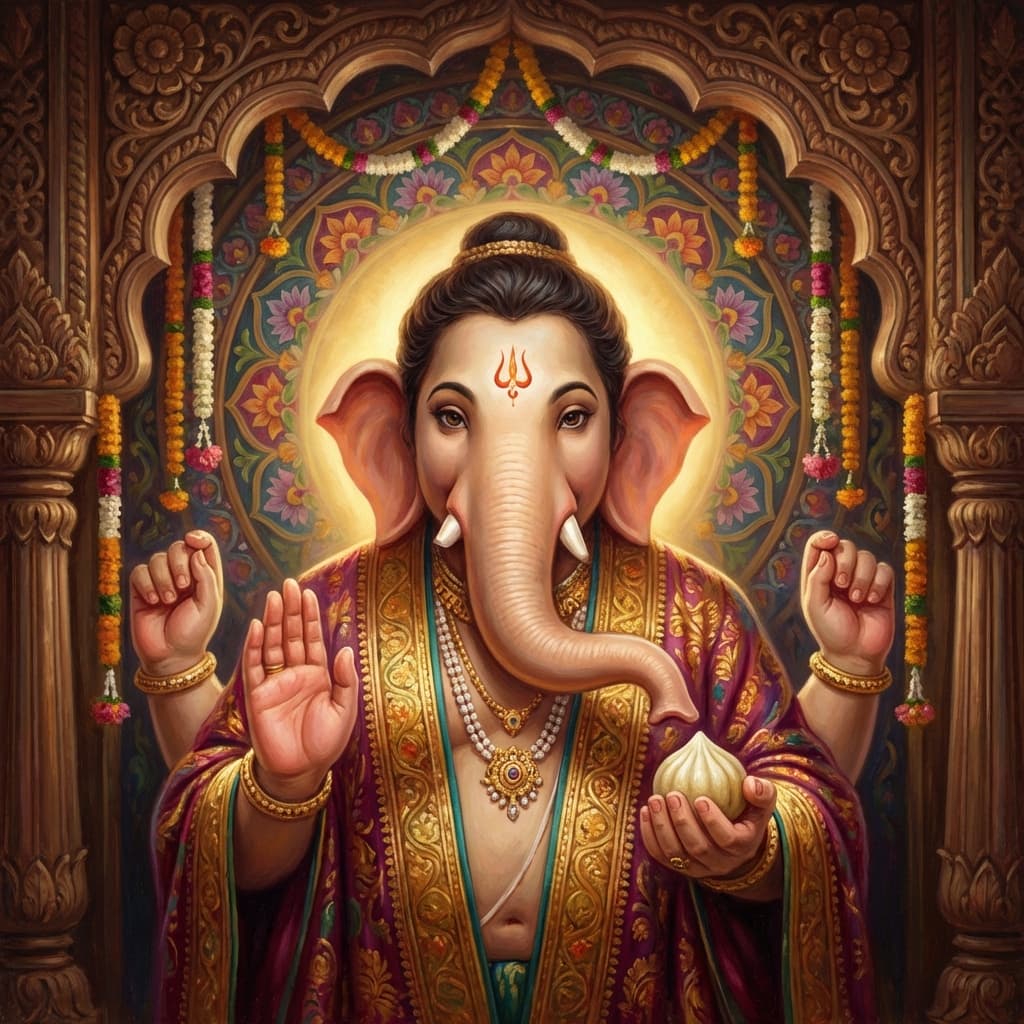
एक दंत दयावंत, चार भुजा धारी।

माथे सिंदूर सोहे, मूसे की सवारी॥

जय गणेश जय गणेश, जय गणेश देवा।

माता जाकी पार्वती, पिता महादेवा॥

अंधन को आंख देत, कोढ़िन को काया।

बांझन को पुत्र देत, निर्धन को माया॥

जय गणेश जय गणेश, जय गणेश देवा।

माता जाकी पार्वती, पिता महादेवा॥

पान चढ़े फल चढ़े, और चढ़े मेवा।

लड्डुअन का भोग लगे, संत करें सेवा॥

जय गणेश जय गणेश, जय गणेश देवा।

माता जाकी पार्वती, पिता महादेवा॥

सूर श्याम शरण आए, सफल कीजे सेवा।

माता जाकी पार्वती, पिता महादेवा॥

जय गणेश जय गणेश, जय गणेश देवा।

माता जाकी पार्वती, पिता महादेवा॥

दीनन की लाज रखो, शंभु सुतकारी।

कामना को पूर्ण करो, जाऊं बलिहारी॥

जय गणेश जय गणेश, जय गणेश देवा।

माता जाकी पार्वती, पिता महादेवा॥
Aarti

Jai Ganesh, Jai Ganesh, Jai Ganesh Deva ।

Mata Jaki Parvati, Pita Mahadeva ॥

Ek Dant Dayavant, Chaar Bhuja Dhari ।

Mathe Sindoor Sohe, Moose Ki Sawari ॥

Jai Ganesh, Jai Ganesh, Jai Ganesh Deva ।

Mata Jaki Parvati, Pita Mahadeva ॥

Andhan Ko Aankh Det, Kodhin Ko Kaya ।

Banjhan Ko Putra Det, Nirdhan Ko Maya ॥

Jai Ganesh, Jai Ganesh, Jai Ganesh Deva ।

Mata Jaki Parvati, Pita Mahadeva ॥

Paan Chadhé Phal Chadhé, Aur Chadhé Meva ।

Ladduon Ka Bhog Lage, Sant Karen Seva ॥

Jai Ganesh, Jai Ganesh, Jai Ganesh Deva ।

Mata Jaki Parvati, Pita Mahadeva ॥

Sur Shyam Sharan Aaye, Safal Kije Seva ।

Mata Jaki Parvati, Pita Mahadeva ॥

Jai Ganesh, Jai Ganesh, Jai Ganesh Deva ।

Mata Jaki Parvati, Pita Mahadeva ॥

Deenan Ki Laaj Rakho, Shambhu Sutkari ।

Kamna Ko Poorn Karo, Jaaun Balihaari ॥

Jai Ganesh, Jai Ganesh, Jai Ganesh Deva ।

Mata Jaki Parvati, Pita Mahadeva ॥

Highlights

The Ganesh Aarti (including the Sukhakarta Dukhharta tradition) is one of the most popular aartis sung in daily worship, praising Lord Ganesha, the remover of obstacles.

It is traditionally sung at the start of any new task, puja, or journey, and especially on Wednesdays and Ganesh Chaturthi.

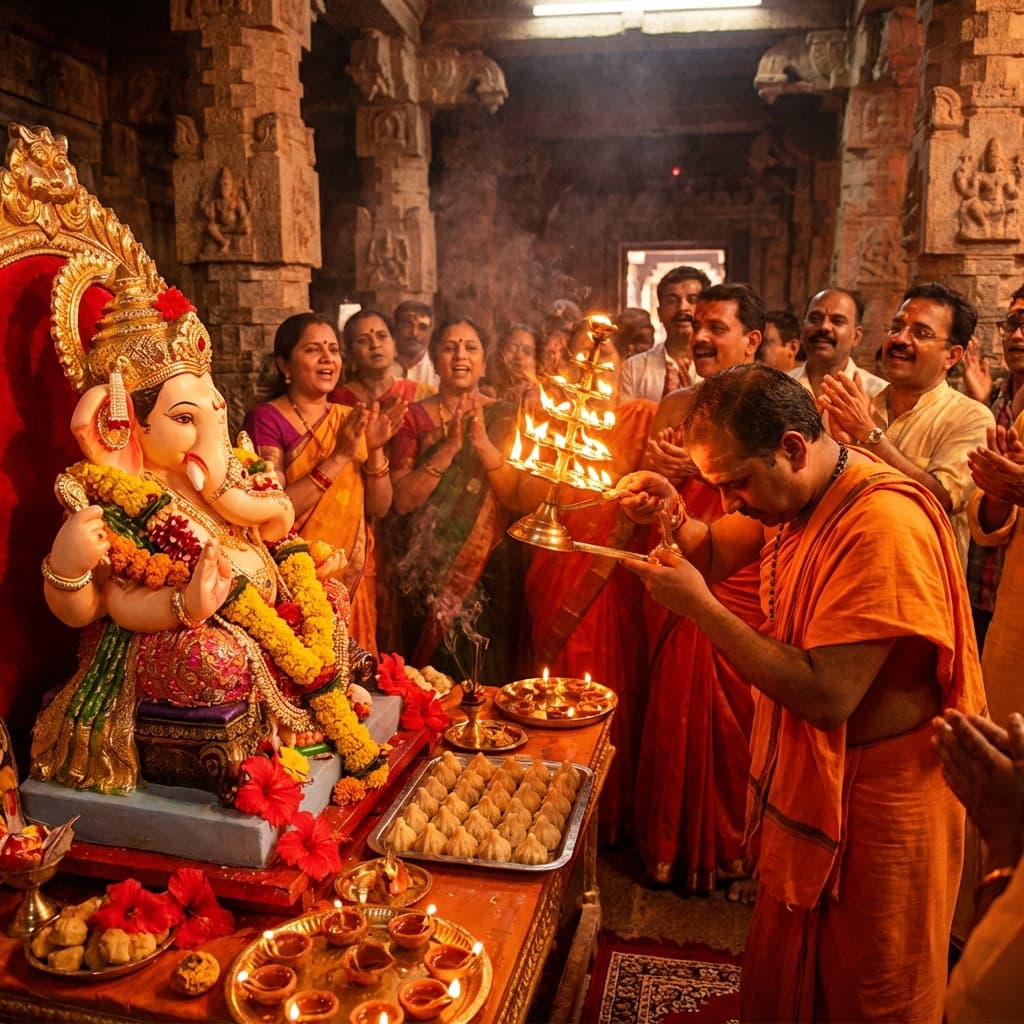
At the end of the aarti, devotees traditionally offer Ganesha laddoos, modaks, and fruit.

Information

About Ganesh Aarti

Ganesh Aarti is one of the principal hymns sung in praise of Lord Ganesha, describing his form, qualities, and grace. It is an integral part of daily worship in Hindu homes and temples. It is believed that remembering Ganesha before any auspicious task removes all obstacles, which is why this aarti is sung at the beginning or end of almost every puja ritual.

What does the Ganesh Aarti describe?

This aarti describes Ganesha as the son of Goddess Parvati and Lord Shiva, having a single tusk, four arms, and a mouse as his vehicle. It says that Ganesha grants sight to the blind, health to the sick, children to the childless, and wealth to the poor. Devotees offer him betel leaf, fruit, dry fruits, and laddoos, and pray in his refuge for the fulfillment of their wishes.

Benefits of Ganesh Aarti

• Singing Ganesh Aarti is believed to remove obstacles in new undertakings. • It is thought to increase wisdom, discernment, and focus. • It is said to bring happiness, prosperity, and positive energy into the home. • It is also recited for the wellbeing of children and general good health.

Best Time to Recite Ganesh Aarti

1. Singing it daily during morning and evening worship is considered auspicious. 2. It can be sung before starting any new task, business, or journey. 3. Wednesday is dedicated to Lord Ganesha, so reciting the aarti on this day is considered especially fruitful. 4. During Ganesh Chaturthi and Ganeshotsav, this aarti is sung in nearly every home and pandal.

How the Aarti is Performed

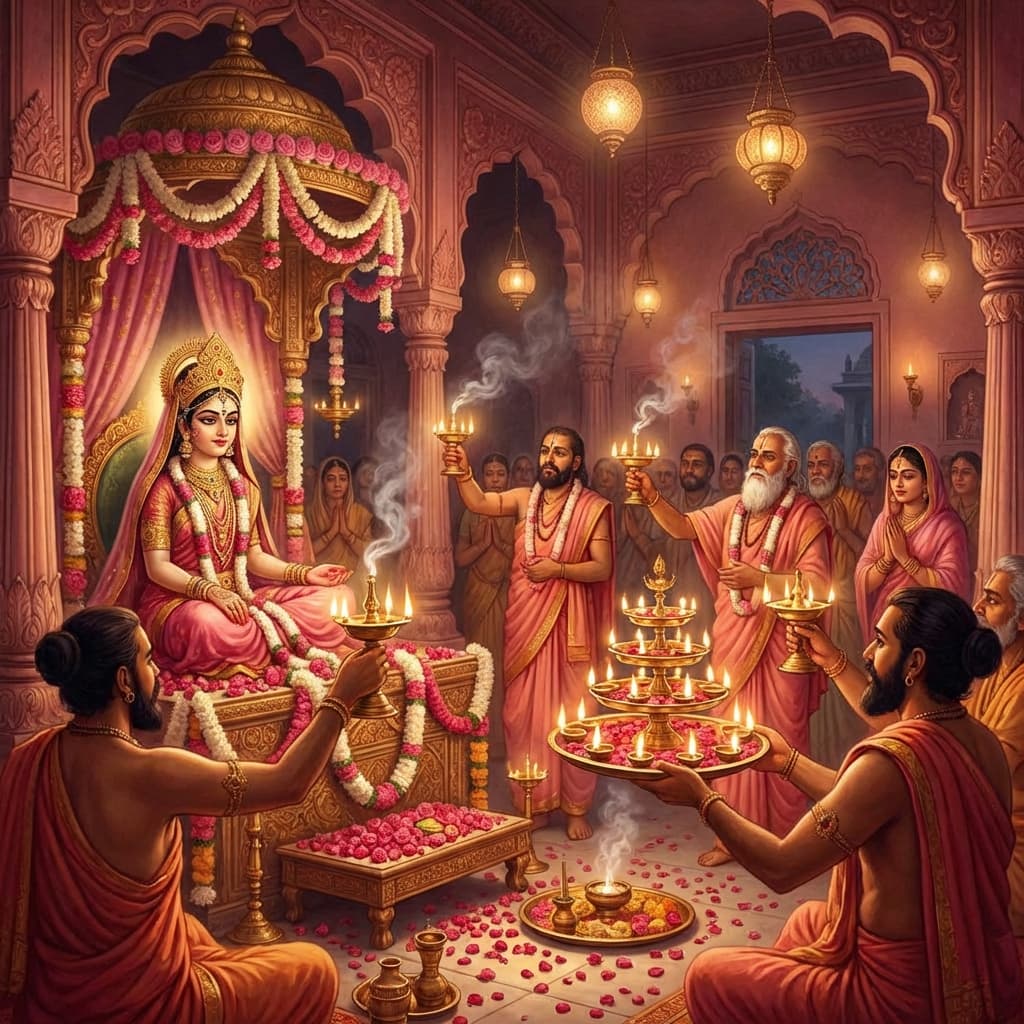
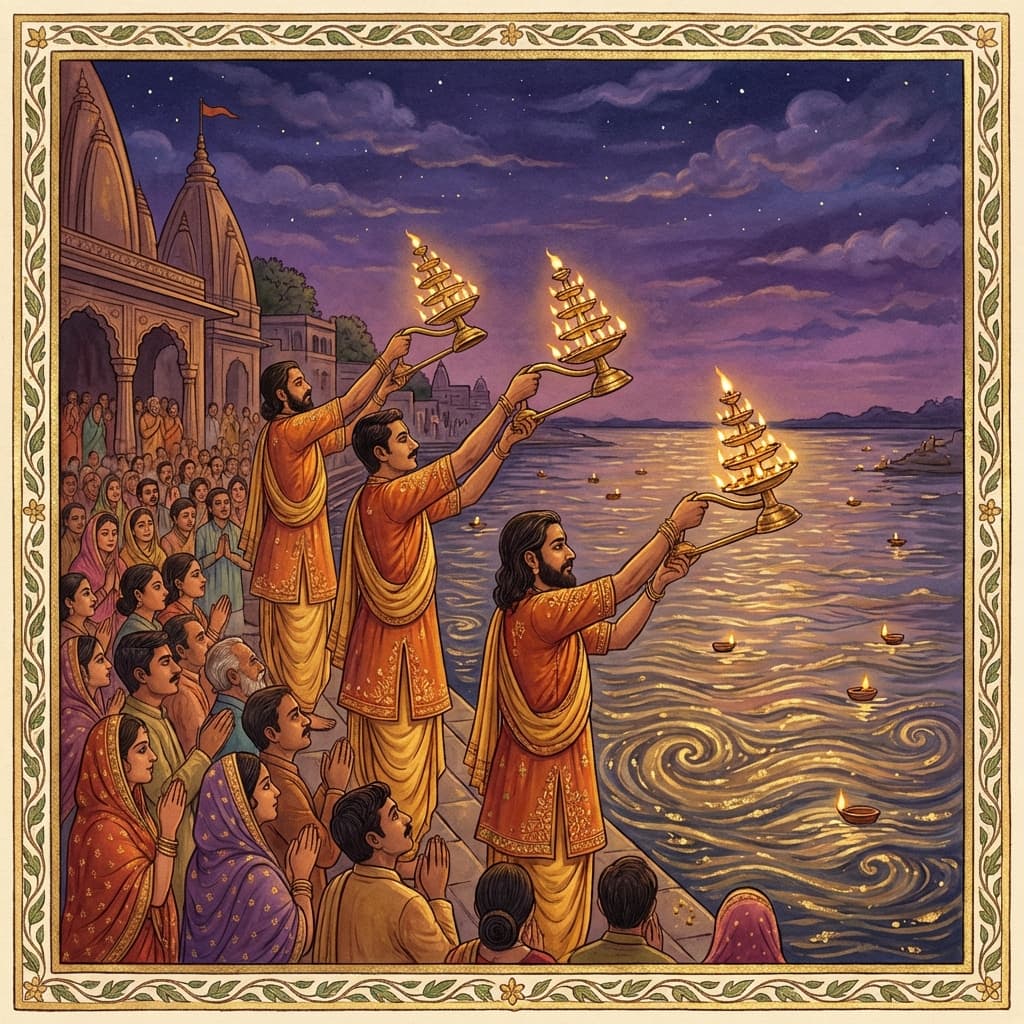
Traditionally, the Ganesh Aarti is sung while a plate holding a lit lamp (diya) and camphor is waved before the deity, accompanied by the ringing of a bell. Family members stand together to sing, and at the end the plate is circled before Ganesha's image or idol, after which modaks or laddoos are distributed as prasad.

Frequently Asked Questions

Whose name comes first in the Ganesh Aarti?

The Ganesh Aarti opens with the line "Jai Ganesh, Jai Ganesh, Jai Ganesh Deva," which first glorifies Lord Ganesha and then mentions his parents, Parvati and Shiva.

When should the Ganesh Aarti be sung?

The Ganesh Aarti can be sung daily during morning and evening worship, at the start of any new task, on Wednesdays, and especially on the occasion of Ganesh Chaturthi.

What are the benefits of singing Ganesh Aarti?

It is believed that singing the Ganesh Aarti removes obstacles in life, increases wisdom and discernment, and brings happiness and prosperity to the home.

What offerings are mentioned in the Ganesh Aarti?

The aarti mentions offerings of betel leaf, fruit, dry fruits, and laddoos, which are traditionally considered especially dear to Lord Ganesha.

Are Ganesh Aarti and Sukhakarta Dukhharta the same?

Yes, both "Jai Ganesh Jai Ganesh Jai Ganesh Deva" and the Marathi "Sukhakarta Dukhharta" are popular aartis for Ganesha — different in language and composition, but both glorifying him.

Why is Lord Ganesha called Ekdant (single-tusked)?

The aarti describes Ganesha as "Ek Dant Dayavant," referring to both his single tusk and his compassionate nature — one of his most well-known forms, with several traditional legends explaining how he came to have it.

Which vehicle does the Ganesh Aarti mention?

The aarti mentions Ganesha's vehicle, the mouse, in the line "Moose Ki Sawari" (riding a mouse), a key symbol of his form.

Is Ganesh Aarti necessary in every puja?

According to tradition, remembering Ganesha before worshipping any other deity is considered auspicious, so many households sing the Ganesh Aarti before or alongside the main aarti.

In what language is the Ganesh Aarti composed?

The aarti is composed in a blend of Hindi and Braj Bhasha, using simple yet deeply devotional words, which makes it popular among devotees of all ages.