श्री हनुमान जी की आरती

24

Aarti

॥ श्री हनुमान स्तुति ॥

मनोजवम् मारुत तुल्यवेगम्,

जितेन्द्रियम् बुद्धिमतां वरिष्ठम् ॥

वातात्मजम् वानरयूथमुख्यम्,

श्रीरामदूतम् शरणं प्रपद्ये ॥

॥ हनुमान जी की आरती ॥

आरती कीजै हनुमान लला की।

दुष्ट दलन रघुनाथ कला की॥

जाके बल से गिरिवर काँपे।

रोग-दोष जाके निकट न झाँके॥

अंजनि पुत्र महा बलदाई।

संतन के प्रभु सदा सहाई॥

दे वीरा रघुनाथ पठाए।

लंका जारि सिया सुधि लाये॥

लंका सो कोट समुद्र सी खाई।

जात पवनसुत बार न लाई॥

लंका जारि असुर संहारे।

सियाराम जी के काज सँवारे॥

लक्ष्मण मुर्छित पड़े सकारे।

लाये संजिवन प्राण उबारे॥

पैठि पाताल तोरि यमकारे।

अहिरावण की भुजा उखारे॥

बाईं भुजा असुर दल मारे।

दाहिने भुजा संतजन तारे॥

सुर-नर-मुनि जन आरती उतरें।

जय जय जय हनुमान उचारें॥

कंचन थार कपूर लौ छाई।

आरती करत अंजना माई॥

जो हनुमानजी की आरती गावे।

बसहिं बैकुंठ परम पद पावे॥

लंक विध्वंस किये रघुराई।

तुलसीदास स्वामी कीर्ति गाई॥

आरती कीजै हनुमान लला की।

दुष्ट दलन रघुनाथ कला की॥
Aarti

॥ Shri Hanuman Stuti ॥

Manojavam Maaruta Tulyavegam,

Jitendriyam Buddhimatam Varisstha ॥

Vaatatmajam Vaanarayutha Mukhyam,

Shri Ramdutam Sharanam Prapadye ॥

॥ Hanuman Ji Ki Aarti ॥

Aarti Kije Hanuman Lala Ki ।

Dusht Dalan Raghunath Kala Ki ॥

Jake Bal Se Giriver Kaanpe ।

Rog Dosh Ja Ke Nikat Na Jhaanke ॥

Anjani Putra Mahabaldayi ।

Santan Ke Prabhu Sada Sahayi ॥

De Veer Raghunath Pathaaye ।

Lanka Jaari Siya Sudhi Laaye ॥

Lanka So Kot Samundar Se Khaai ।

Jaat Pavan Sut Baar Na Laayi ॥

Lanka Jaari Asur Sab Maare ।

Siya Ramji Ke Kaaj Sanvaare ॥

Lakshman Moorchhit Pare Sakaare ।

Laye Sanjeevan Pran Ubaare ॥

Paith Pataal Tori Yamkaare ।

Ahiravan Ki Bhuja Ukhaare ॥

Baayen Bhuja Asur Dal Maare ।

Daayen Bhuja Santjan Taare ॥

Surnar Munijan Aarti Utare ।

Jai Jai Jai Hanuman Uchaare ॥

Kanchan Thar Kapoor Lau Chhaayi ।

Aarti Karat Anjani Maai ॥

Jo Hanumanji Ki Aarti Gaave ।

Basahin Vaikunth Param Pad Paave ॥

Lanka Vidhvansh Kiye Raghurai ।

Tulsidas Swami Kirti Gaayi ॥

Aarti Kije Hanuman Lala Ki ।

Dusht Dalan Raghunath Kala Ki ॥

Highlights

The Hanuman Aarti "Aarti Kije Hanuman Lala Ki" is one of the most widely sung aartis, often performed right after Hanuman Chalisa or Sunderkand recitation.

This aarti opens with the famous Sanskrit verse "Manojavam Maaruta Tulyavegam," also known as the Hanuman Stuti.

Besides Tuesdays and Saturdays, this aarti is also sung with devotion on auspicious occasions like Hanuman Jayanti and Ram Navami.

Information

About Hanuman Aarti

The Hanuman Aarti, "Aarti Kije Hanuman Lala Ki," is an extremely popular devotional song dedicated to Hanuman, the devoted follower of Lord Ram. It beautifully describes Hanuman's strength, valor, and spirit of selfless service. This aarti is usually sung at the end of a Hanuman Chalisa or Sunderkand recitation, and is especially common during evening worship in temples and homes.

What does the aarti describe?

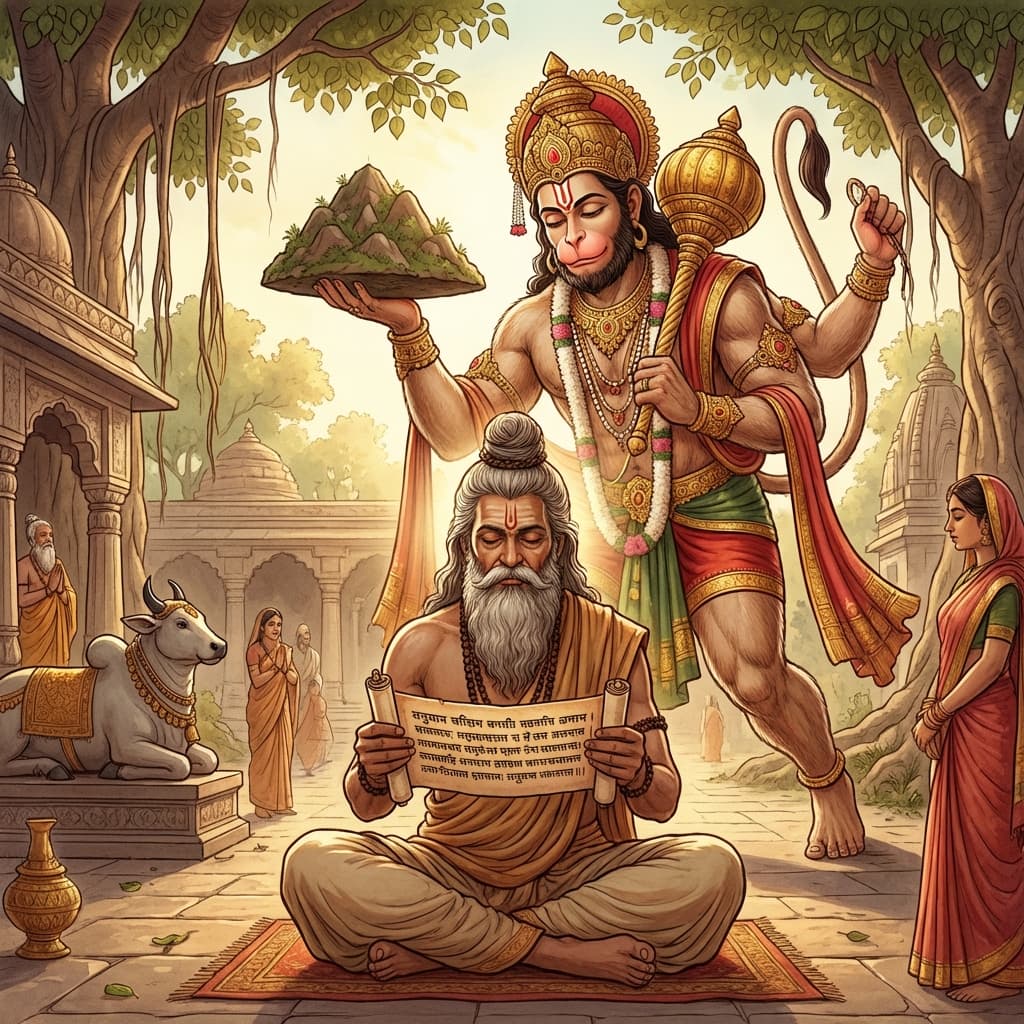
This aarti recounts episodes from the Ramayana associated with Hanuman — the burning of Lanka, the search for Sita, bringing the Sanjeevani herb to save Lakshman's life, and descending into the netherworld to slay the demon Ahiravana. It also describes Hanuman as the eternal protector of saints and devotees, and promises that whoever sings his aarti with true devotion attains supreme happiness.

Benefits of Hanuman Aarti

• Singing the Hanuman Aarti is believed to bring peace of mind and positive energy. • It is believed to offer protection from fear, illness, and negative forces. • Singing it at the close of Hanuman Chalisa or Sunderkand recitation is considered auspicious. • Reciting it with devotion during times of trouble is believed to bring courage and inner strength.

How and when to perform the aarti

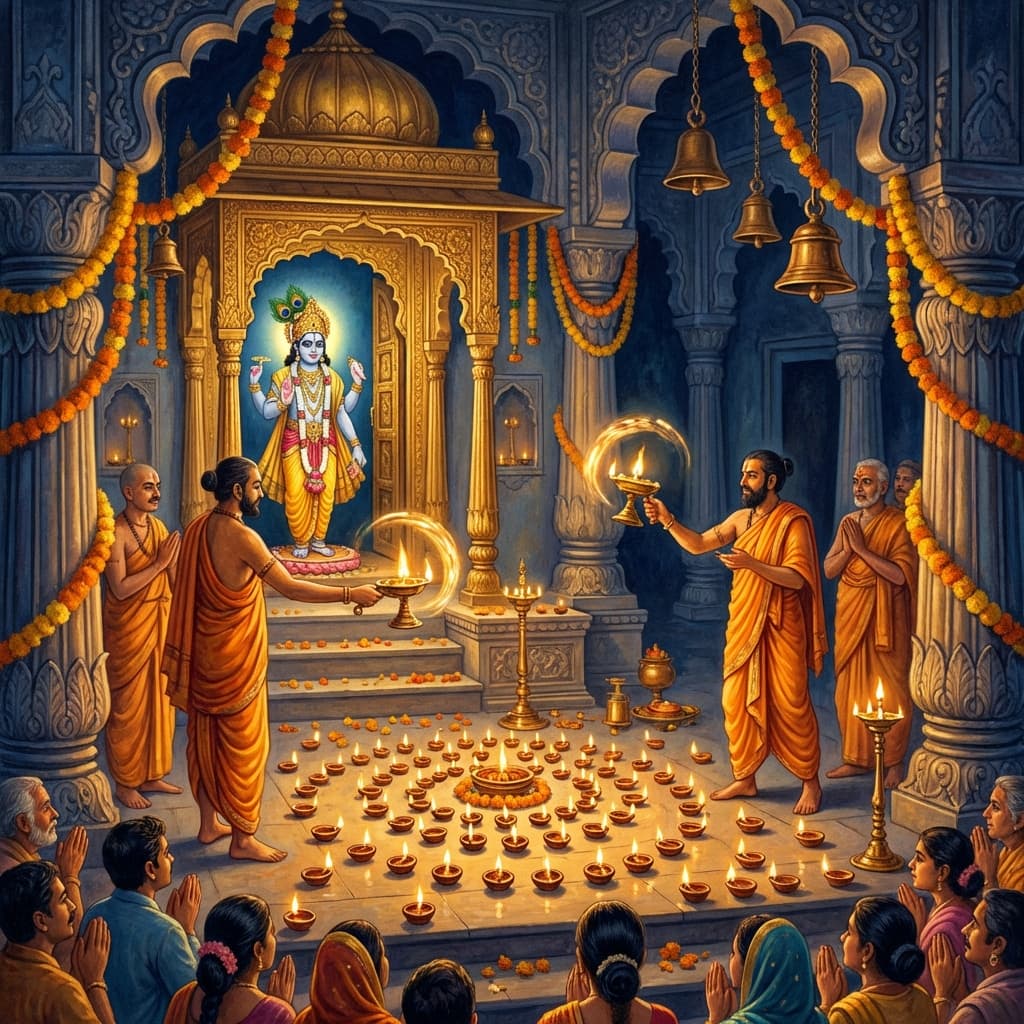
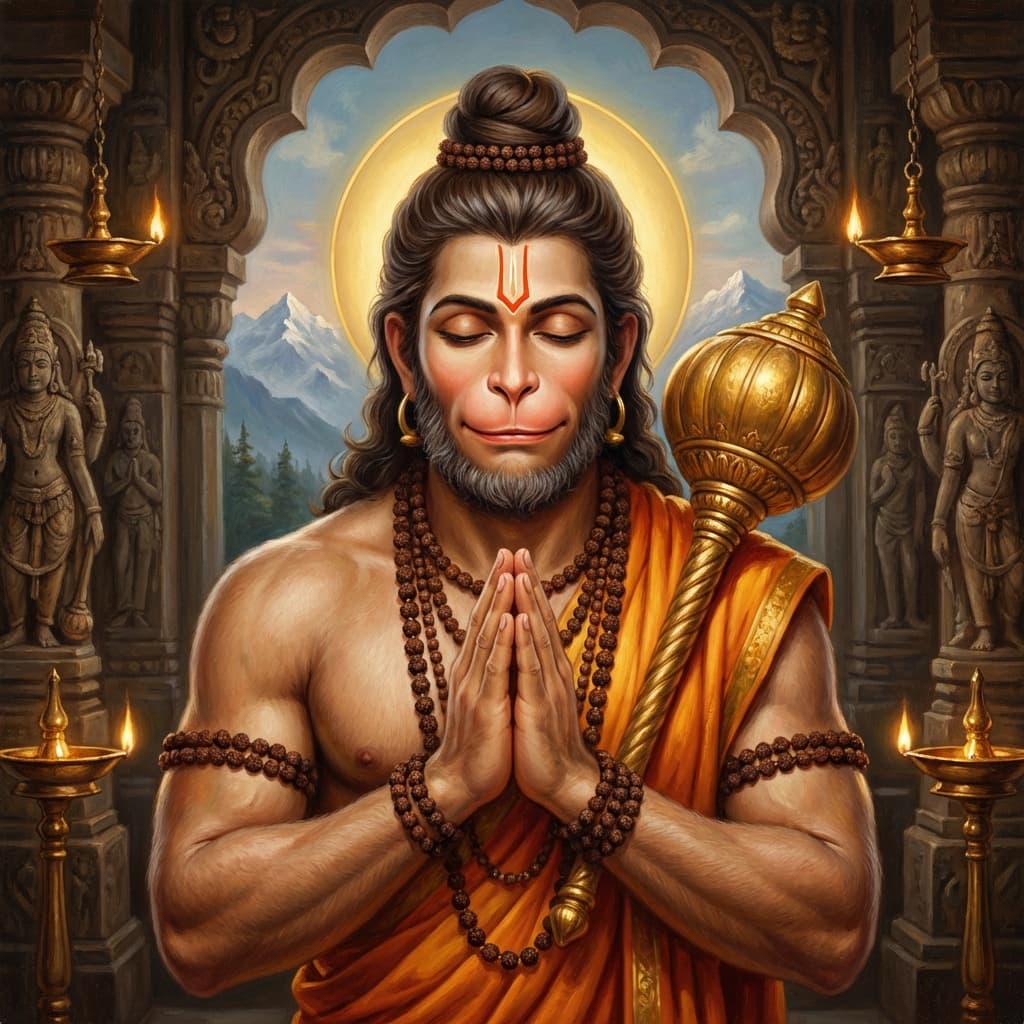
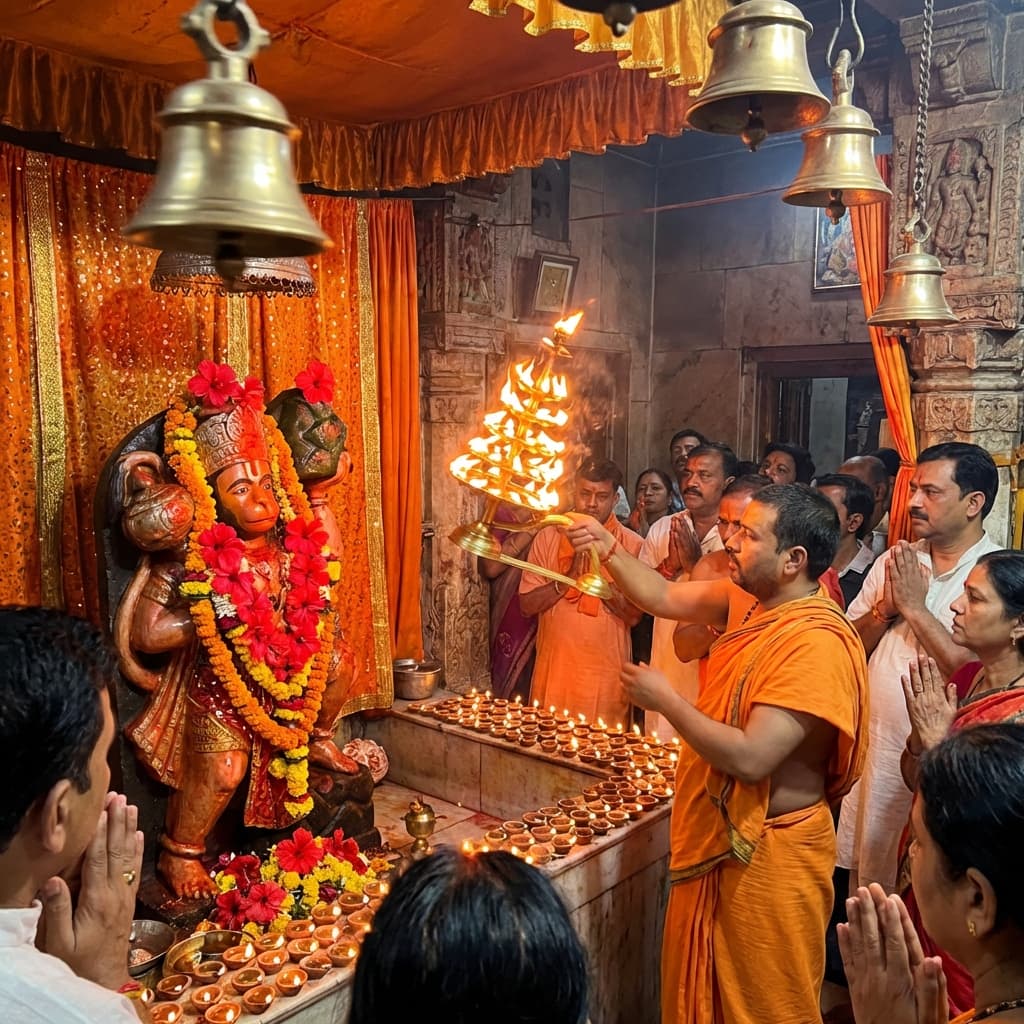
Hanuman Aarti is usually performed in the evening, especially on Tuesdays and Saturdays. A lamp is lit and the aarti is sung with folded hands before an image or idol of Hanuman. Many devotees prefer to sing it immediately after Hanuman Chalisa, bringing their worship to a devotional close.

Frequently Asked Questions

Whose verse is the Sanskrit shloka "Manojavam Maaruta Tulyavegam"?

"Manojavam Maaruta Tulyavegam, Jitendriyam Buddhimatam Varishtham" is known as the Hanuman Stuti. It describes Hanuman as swift as thought, as fast as the wind, master of his senses, and foremost among the wise. This verse is commonly recited at the beginning of texts and hymns associated with Hanuman.

When should Hanuman Aarti be sung?

Hanuman Aarti can be sung any day, but Tuesdays and Saturdays are considered especially auspicious, as these days are dedicated to Hanuman. It is also sung with devotion during festivals like Hanuman Jayanti and Ram Navami.

Is Hanuman Aarti sung along with Hanuman Chalisa?

Yes, most devotees sing this aarti after completing the recitation of Hanuman Chalisa or Sunderkand. It is considered part of the closing of the worship ritual, bringing the devotional practice to completion.

Why does the story of Ahiravana appear in the Hanuman Aarti?

The lines "Paith Pataal Tori Yamkaare, Ahiravan Ki Bhuja Ukhaare" refer to the episode where Hanuman descends into the netherworld to slay the demon Ahiravana and protect Ram and Lakshman. This episode highlights Hanuman's valor and unwavering loyalty to his Lord.

What are the benefits of singing Hanuman Aarti?

It is believed that singing Hanuman Aarti with devotion brings peace of mind, protection from fear and negative forces, and increased courage and inner strength. It gives worship and devotional practice a beautiful, positive close.

Is Tulsidas mentioned in the Hanuman Aarti?

Yes, the closing lines of the aarti include "Tulsidas Swami Kirti Gaayi," which links this composition to the devotional tradition of the poet-saint Tulsidas.

Can women sing the Hanuman Aarti?

Yes, women can sing and listen to the Hanuman Aarti. Singing and listening to an aarti is a general form of devotion open to all devotees.

What items are used while performing Hanuman Aarti?

Traditionally, a lit lamp (of ghee or oil), incense, and camphor are used during the aarti. The lamp is placed on a plate and offered before an image or idol of Hanuman, as described in the aarti's own line "Kanchan Thar Kapoor Lau Chhaayi."

Why does the Hanuman Aarti begin with a Sanskrit shloka?

The Sanskrit verse "Manojavam Maaruta Tulyavegam" is a brief, formal hymn of praise to Hanuman's qualities. Devotees recite it before the aarti to invoke Hanuman's attention and blessings, much like an invocatory verse at the start of a worship ritual.