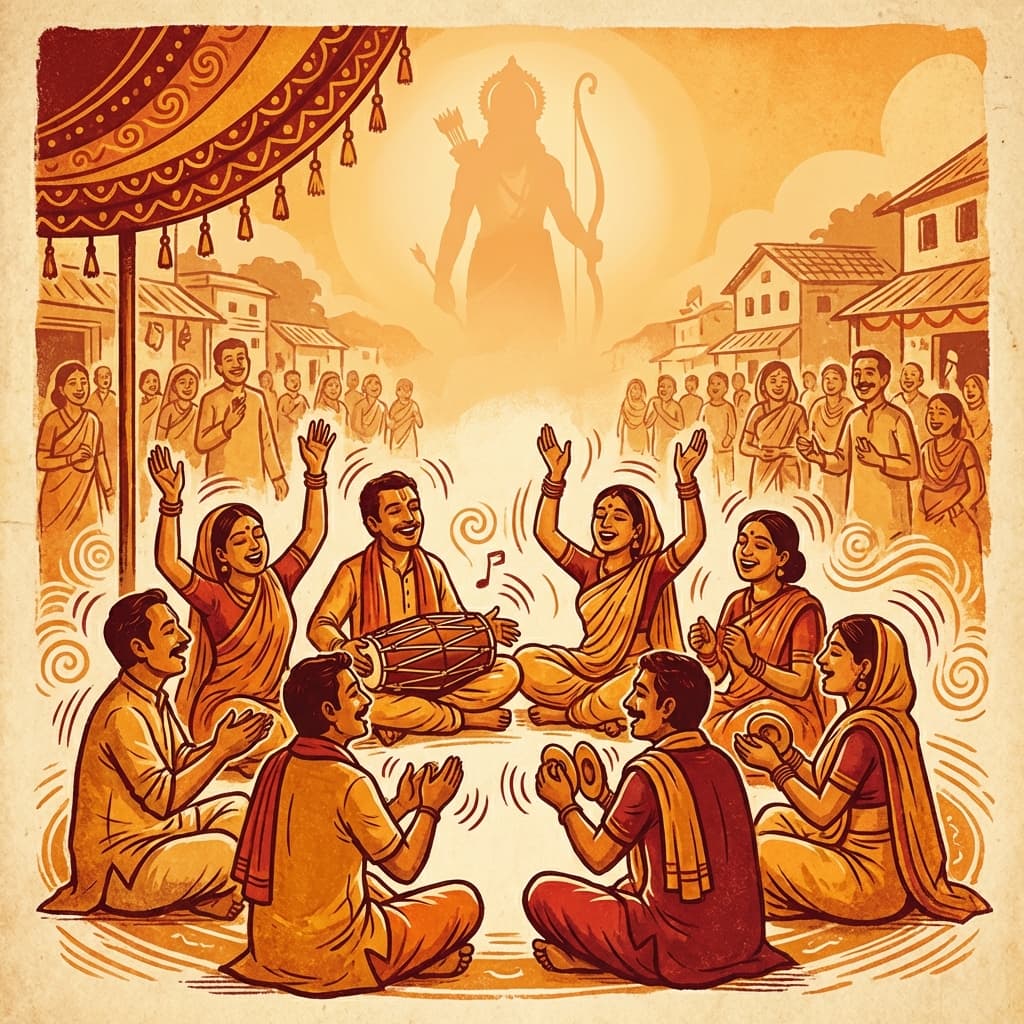

History and Meaning of Hanuman Chalisa: Tulsidas and 40 Verses
Why did Goswami Tulsidas write Hanuman Chalisa? Meaning of 40 verses, Awadhi language, and key dohas explained.
Full text
Read Hanuman Chalisa — full lyrics in Hindi
Read the complete Chalisa with meaning and recitation guidance on DharmaPath.
Read ChalisaTulsidas and the Origin of the Chalisa
Hanuman Chalisa was composed by the great poet Goswami Tulsidas, who also wrote Ramcharitmanas. Tradition says he composed it by Hanuman's grace.
It is written in Awadhi—a language close to Hindi that millions of devotees read with ease today.
The word Chalisa comes from 'chalis' (forty)—there are 40 verses, hence the name.
Opening Dohas and Core Message
Beginning with 'Shri Guru Charan Saroj Raj...', the devotee remembers guru and Ram. 'Jai Hanuman Gyan Gun Sagar' salutes Hanuman as the ocean of wisdom and virtue.
'Ram Doot Atulit Bal Dhama' praises him as Ram's messenger and abode of limitless strength.
The entire Chalisa describes Hanuman's valor, devotion to Ram, and protection of devotees—that is its central message.
Essence of Famous Lines
'Bhoot Pishach Nikat Nahi Aave'—protection from negative forces and fear of the mind.
'Nase Rog Hare Sab Peera'—prayer for relief from physical and mental suffering.
'Sankat Kate Mite Sab Peera, Jo Sumire Hanumat Balbeera'—whoever remembers Hanuman, their troubles ease—the most reassuring line for devotees.
Hanuman Devotion
Hanuman Chalisa vs Bajrang Baan: When to Read Which?
Both are devoted to Hanuman, but purpose and rules differ. Learn the difference and when to read Chalisa vs Bajrang Baan.
Daily Practice
Deep dive into the Benefits of Daily Hanuman Chalisa Recitation
A steady Hanuman Chalisa practice can calm the mind, build courage, and bring more discipline to daily life. Explore its profound impacts in detail.