Spiritual Significance of the Tulsi Plant
Tulsi is dear to Lord Vishnu and a symbol of purity in the home. Learn its traditions and simple daily seva.
Dear to Lord Vishnu (Religious Significance)
Any offering (Bhog) made to Lord Vishnu or Krishna is considered incomplete without Tulsi (Vrinda). The ritual marriage of Lord Vishnu in his Shaligram form with the Tulsi plant is celebrated beautifully as the 'Tulsi Vivah' festival.
The sentiment behind this is that Tulsi is supremely pristine and pure, and whatever is offered along with a Tulsi leaf reaches the Supreme directly. When we offer a Tulsi leaf, we are actually presenting our pure, Sattvic devotion to God.
According to religious texts, a house with a Tulsi plant in its courtyard becomes as sacred as a pilgrimage site, barring the messengers of death (Yamadutas). It actively shields the home from negative energies.
Tulsi in the Home and Courtyard
Tulsi is known as Vrinda and Vishnupriya. Planting it in the courtyard is traditionally considered to make the home sacred and auspicious, and offering water each morning is a simple form of seva.
Ayurveda discusses tulsi's medicinal uses, but it should not replace medical advice or treatment. The heart of this tradition is devotion and care.
Tulsi Mala and Daily Worship
A tulsi mala is considered sacred for japa. Devotees use it to keep the mind gathered on the Divine name during recitation.
Offering water to the tulsi plant in the morning and lighting a lamp in the evening bring the family together in worship and create a calm, auspicious atmosphere at home.

Festivals and Traditions
Kartik Purnima and Dev Deepawali 2026: Meaning and Traditions
Explore Kartik Purnima, Varanasi’s Dev Deepawali, regional customs, and a simple prayer at home.
Festivals and Traditions
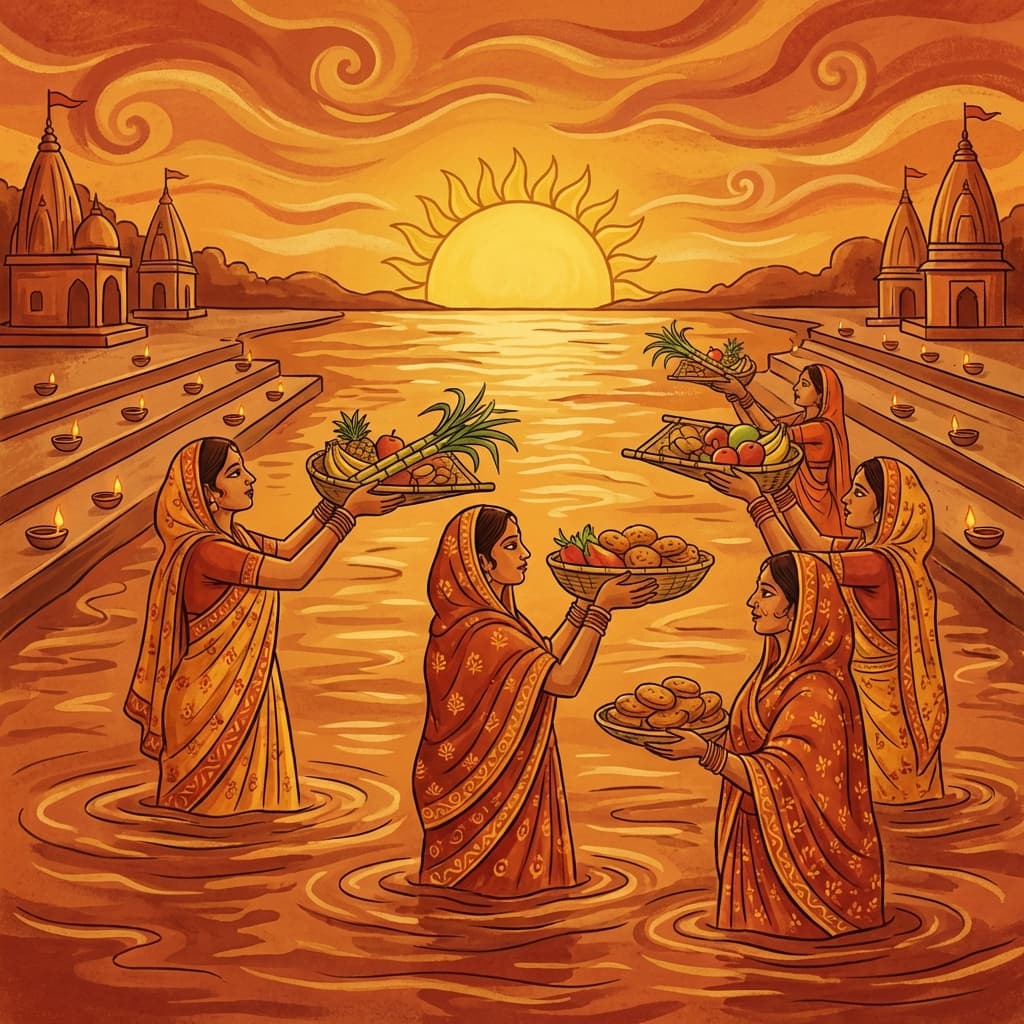
Chhath Puja 2026: Four Days from Nahay Khay to Usha Arghya
Understand the four-day Chhath observance, its evening and morning arghya, and community preparations while checking local timings and respecting health.