The Spiritual Meaning of Visiting a Temple: Tradition and Faith
Visiting a temple is a tradition of faith, peace, and service. Learn the spiritual meaning of temple architecture, darshan, and parikrama.
The Temple's Setting and Architecture
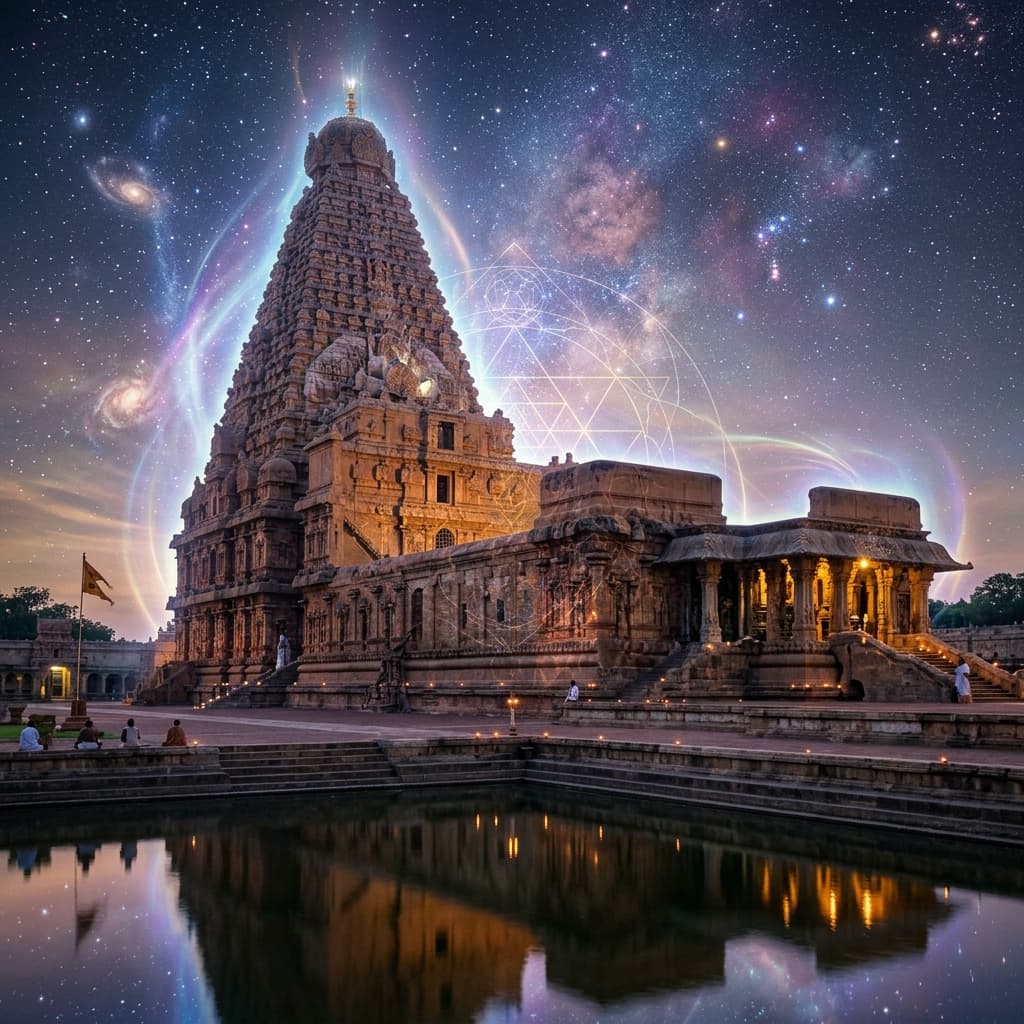
Ancient temples were planned according to Vastu Shastra and local tradition. A quiet setting, nearness to a river or tank, and an orderly layout were considered auspicious.
The garbhagriha is the most sacred and quiet centre of the temple. The deity is installed here, and devotees seek darshan with a steady mind, their attention gathered on one point.
The Spirit of Darshan, Bells, and Aarti
Darshan, the temple bell, aarti, the fragrance of flowers and incense, and charanamrit are meant to bring the heart into devotion. These are spiritual experiences, and their purpose is shraddha (faith).
Ringing the bell is traditionally seen as announcing the presence of the Lord and calling the devotee's attention back to the present moment.
Parikrama and Seva
Parikrama is the devotional practice of walking around the deity or the temple. It is an expression of devotion that cultivates humility and gratitude.
The true fruit of temple visits lies in seva, charity, and righteous conduct. A calm mind and shared worship are the heart of this tradition.

Spiritual Tradition
Why Is Lord Shiva Offered Abhishek? The Meaning of the Tradition
The tradition of offering water and milk to the Shivling is a symbol of devotion, humility, and gratitude.
Festivals and Traditions
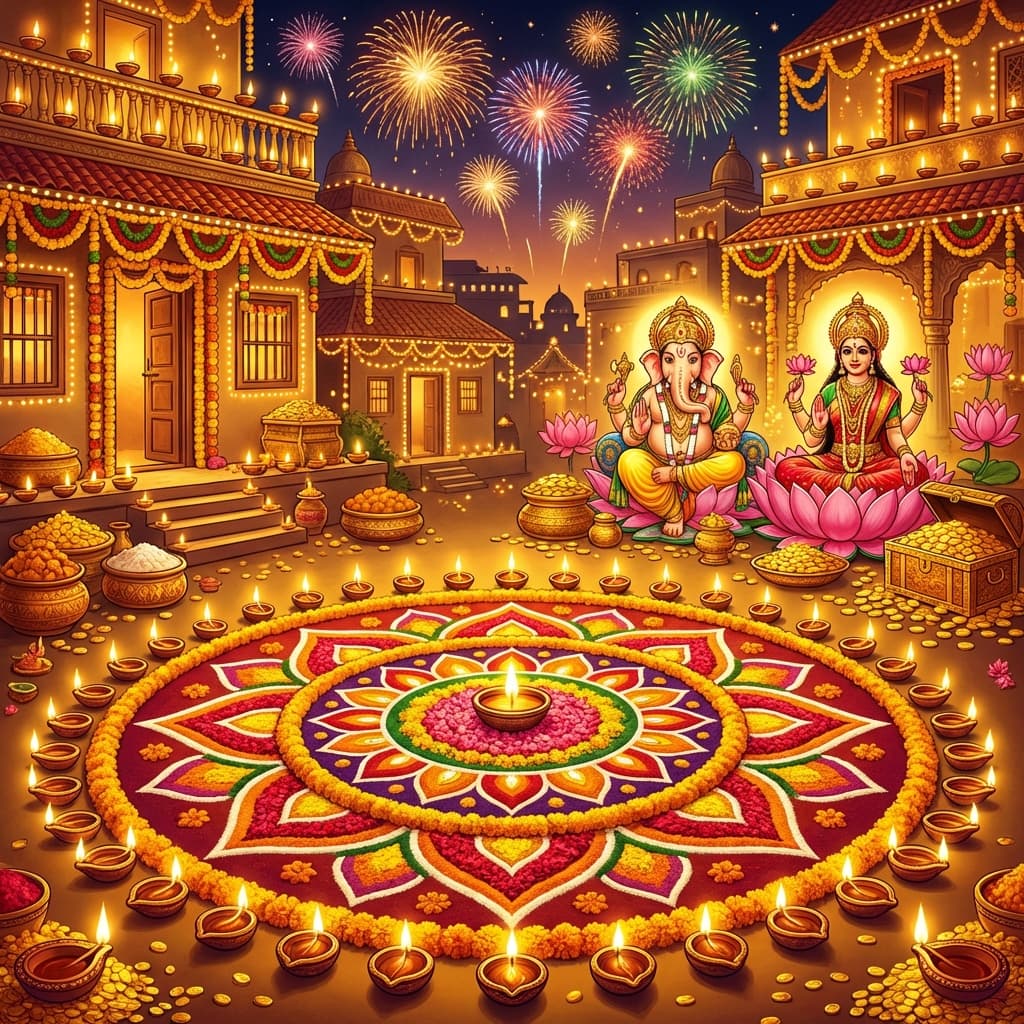
Kartik Purnima and Dev Deepawali 2026: Meaning and Traditions
Explore Kartik Purnima, Varanasi’s Dev Deepawali, regional customs, and a simple prayer at home.