Bhai Dooj
Significance
Bhai Dooj celebrates the bond of love and protection between brothers and sisters, and is observed with prayers for a brother's long life and wellbeing. It falls two days after Diwali, on the second day of the bright fortnight of Kartik, and is known by different names across India, including Bhai Tika in Nepal and Bhau Beej in Maharashtra.
Celebration
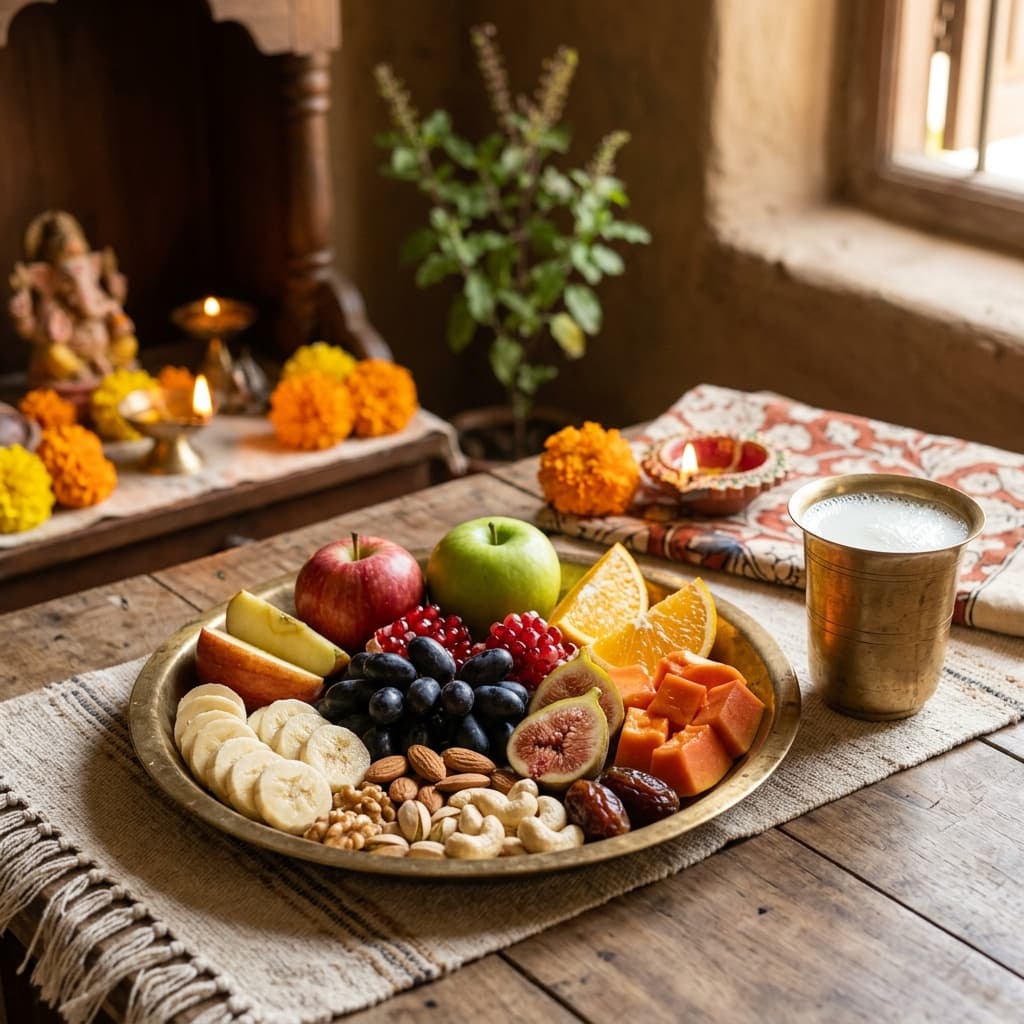
Sisters apply a tilak on their brothers' foreheads, perform a short aarti, and pray for their prosperity, health, and protection from harm, while brothers in turn give gifts and pledge to look after their sisters. The occasion typically ends with a festive family meal, similar in spirit to Raksha Bandhan but observed specifically around the Diwali period.
History
According to legend, Yamraj, the god of death, visited his sister Yamuna's home for a meal on this day after a long separation, and she welcomed him with a tilak, sweets, and a garland - a tradition sisters still follow with their own brothers today. Because of this story, the festival is also called Yama Dwitiya in some regions.
Mythology
Pleased by Yamuna's warm hospitality, Yamraj is said to have granted her a boon: any brother who visits his sister on this day, receives a tilak from her, and eats at her home would be protected from an untimely death. This is why the ritual bath in the Yamuna river and the sister's tilak are considered central to the day's observance wherever they can be practically followed.
Traditions & Customs
- •Sibling Tilak
- •Holy Dip in Yamuna
- •Grand Festive Meal
Rituals
- •Yama Puja
- •Lamp Offering
- •Aarti
Special Foods
Regional Variations
- •Bhau Beej in Maharashtra
- •Bhai Phonta in Bengal
- •Bhai Tika in Nepal
Dos and Don'ts
Dos
- ✓भाई को सप्रेम भोजन कराएं
- ✓उपहार दें
Don'ts
- ✗झगड़ा न करें
- ✗तिलक के समय मौन रहें (परंपरा अनुसार)